
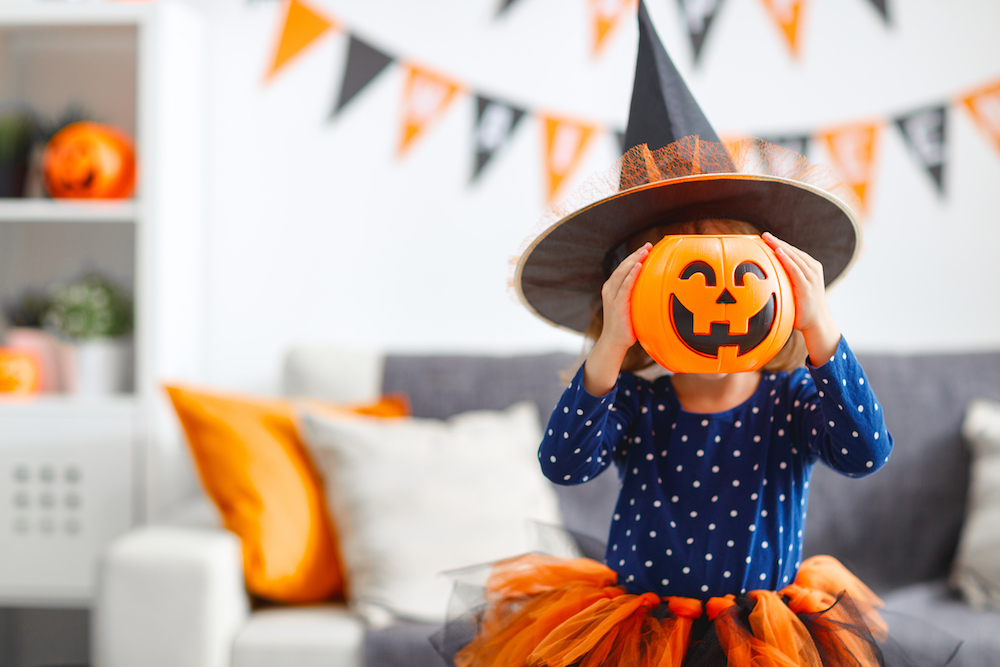

Halloween is just around the corner! With costumes, candy, and imaginative fun, the holiday can be an exciting time for families. However, spooky sounds, flashing lights, unfamiliar costumes, and changes in routine can feel overwhelming for some autistic children. At NeurAbilities, we understand the importance of celebrating each child’s unique interests, sensory needs, and comfort level. With a little preparation, parents and caregivers can help make Halloween a fun, inclusive, and autism-friendly experience for everyone.
The goal isn’t to make Halloween look a certain way. It’s to help your child enjoy the holiday in a way that works for them.
5 Tips for a Fun, Autism-Friendly Halloween
1. Choose a Comfortable, Creative Costume
Halloween costumes don’t have to be scary to be fun! Encourage your child to dress as a favorite superhero, animal, cartoon character, or something inspired by their special interests. A favorite T-shirt, cape, or themed accessory can make a great costume without uncomfortable fabrics, tight fits, or irritating masks.
With Halloween only days away, let your child try on their costume now to identify any sensory concerns before the big day. If dressing up isn’t enjoyable, there’s no need to force it. Regular clothes are perfectly fine for Halloween!
2. Prepare for Halloween Sights and Sounds
Spooky decorations, loud music, fog machines, and flashing lights can be difficult for children with sensory sensitivities. Before heading out this week, talk about what your child might encounter at Halloween events or around the neighborhood. Social stories, pictures, and short videos can help explain what to expect and distinguish pretend scares from real-life situations.
If you have time, explore your neighborhood before trick-or-treating and identify decorations your child enjoys or would prefer to avoid. Bring noise-reducing headphones, a favorite sensory toy, or other familiar comfort items when heading out.
3. Practice Trick-or-Treating Before the Big Night
With Halloween just around the corner, a little practice now can help make trick-or-treating feel more predictable. Walk through the steps together: approaching a door, requesting a treat, placing candy in a bag, and moving to the next house.
A visual schedule or simple map can help your child understand the plan. Practice with a familiar neighbor or family member, and remember that communication looks different for everyone. Gestures, communication devices, or a trick-or-treat card can help children express themselves without pressure to speak.
4. Explore Sensory-Friendly Halloween Events
Traditional trick-or-treating isn’t the only way to celebrate! If you’re still making plans for this week, consider these autism-friendly Halloween activities:
- Trunk-or-treat events: Collect treats from decorated cars in a familiar parking lot, often with a shorter route.
We happen to be hosting an event in King Of Prussia on October 30th
- Indoor school Halloween parties: Enjoy crafts, games, and costumes in a familiar setting.
- Daytime community events: Experience Halloween festivities before dark, when crowds and lighting may feel more manageable.
- At-home Halloween fun: Decorate pumpkins, organize a Halloween scavenger hunt, watch a favorite movie, or hand out treats together.
- Before attending an event, check the details to learn about noise levels, crowds, lighting, and available quiet spaces. Even a quick phone call or online search can help you choose an activity that feels right for your child.
5. Follow Your Child’s Lead and Keep Safety in Mind
As Halloween approaches, set realistic expectations for the big night, whether that means visiting three houses or spending the evening at home. Plan breaks and agree on a signal your child can use when they need a pause or want to leave.
For outings, review pedestrian safety, stay close to a trusted adult, and consider reflective clothing or glow accessories after dark. Keep identification and emergency contact information accessible when appropriate.
Most importantly, stay flexible. If your child becomes overwhelmed, changing plans is a success—not a failure. Your child’s comfort and well-being matter more than following a particular Halloween tradition.
Make Halloween a Celebration of Your Child
Every child experiences Halloween differently. By prioritizing comfort, preparation, communication, and individual interests, families can create meaningful traditions without unnecessary pressure.
An autism-friendly Halloween doesn’t have to follow anyone else’s rules. Whether your child loves trick-or-treating, prefers an indoor celebration, or simply enjoys wearing a favorite character’s T-shirt, the best Halloween is one where they feel safe, included, and free to have fun.
From everyone in the NeurAbilities family to yours, we hope you have a fun, safe, and happy Halloween! Remember, the sweetest memories often come from celebrating in ways that make your child feel comfortable, supported, and loved. Here’s to a Halloween filled with smiles, special moments, and plenty of fun!