


What Is ABA Therapy? A Beginner’s Guide for Parents
When your child is diagnosed with autism or shows signs of developmental delays, it’s natural to have questions about the next steps. Applied Behavior Analysis (ABA) therapy is one of the most widely used early intervention services for helping children develop communication, social, daily living, and learning skills through individualized, evidence-based strategies. Every child is unique, and understanding how ABA works can help you make informed decisions about your child’s care. Read below for answers to some of the most common questions parents ask.
Is ABA Therapy Right for My Child?
ABA therapy may be a good option for children with autism who would benefit from support with communication, behavior, social interaction, or daily living skills.
There is no one-size-fits-all approach to autism, which is why ABA programs are tailored to each child’s strengths, needs, and goals. At NeurAbilities, every child’s journey begins with a comprehensive assessment that helps determine whether ABA is appropriate and identifies the areas where support can have the greatest impact. Families are active partners throughout the process, ensuring therapy aligns with their child’s needs, priorities, and long-term development.
Common Misconceptions About ABA Therapy
Modern ABA therapy focuses on teaching meaningful skills through positive reinforcement and individualized, compassionate care.
Some people believe ABA therapy is designed to make children “act normal,” but today’s ethical ABA emphasizes helping children build functional skills, communicate effectively, and participate more independently in everyday life. At NeurAbilities, our approach is centered on evidence-based care that respects each child’s individuality while working alongside families to create meaningful, achievable goals. Therapy should always encourage positive learning experiences and celebrate progress at every stage.
How Does ABA Therapy Help Children with Autism?
ABA therapy helps children with autism develop skills that improve communication, independence, social interaction, and everyday functioning.
Therapy breaks larger skills into manageable steps and uses positive reinforcement to encourage progress over time. Depending on the child’s goals, ABA may focus on language development, emotional regulation, play skills, self-care routines, or reducing behaviors that interfere with learning. Progress is measured regularly so treatment goals can evolve as children gain new skills and confidence, ensuring therapy continues to meet each child’s changing needs.
What Should Parents Expect During ABA Therapy?
Parents can expect individualized therapy sessions, ongoing communication, and active involvement in their child’s progress.
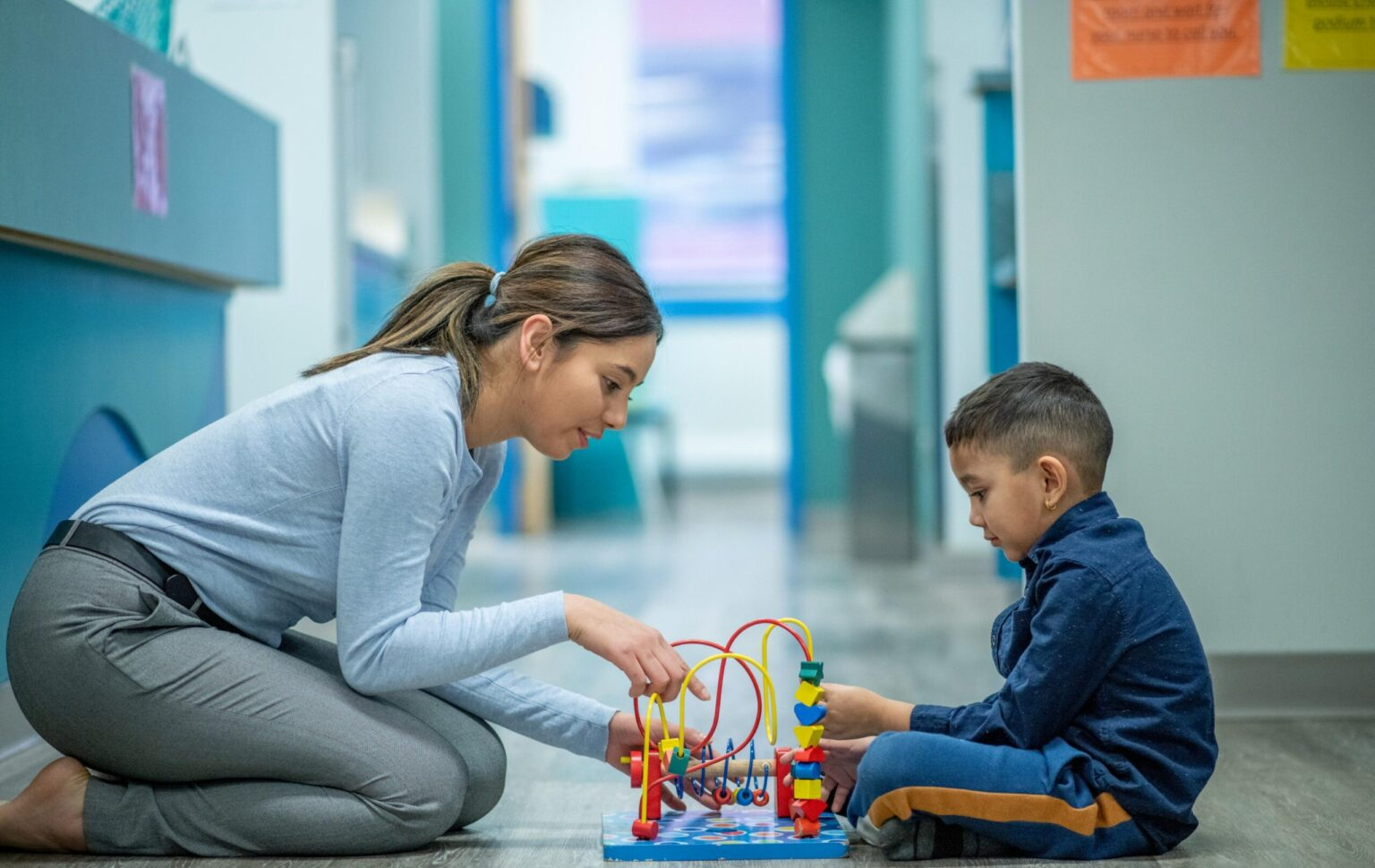
ABA begins with an assessment to identify strengths, challenges, and meaningful goals. Therapy sessions include engaging, age-appropriate activities that teach new skills while making learning enjoyable. At NeurAbilities, families receive regular updates, collaborate closely with their child’s clinical team, and learn practical strategies they can use at home to reinforce progress and promote consistency across everyday routines.
Helping Your Child Build a Strong Foundation
Choosing early intervention is an important step toward supporting your child’s development, and having trusted guidance can make that decision feel more manageable.
At NeurAbilities, we partner with families to create personalized, evidence-based ABA therapy programs that help children build communication, confidence, independence, and lifelong skills. If you’re ready to explore whether ABA therapy is the right fit for your child, request services today to connect with our team and take the next step toward personalized support.